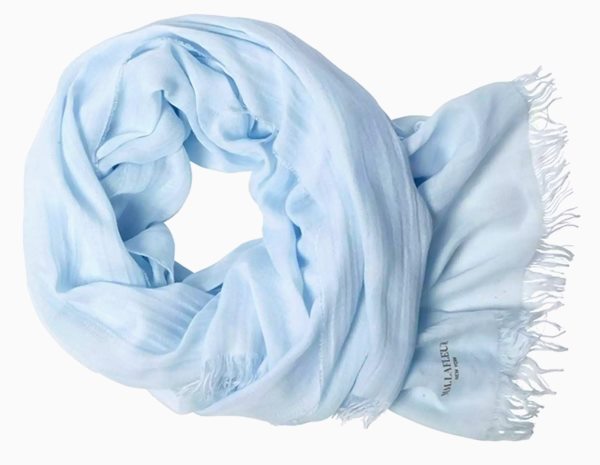

It started as a real powder
The first powder blue was an actual powder. In the 1650s, people ground smalt, a blue cobalt glass, into a fine dust. It was used in laundry and for dyeing cloth. Smalt is a deep blue, so that early powder blue was far darker than the color known by the name today.
Powder blue shows up as an English color name in 1774, but nobody is sure what shade it meant then. It may have been a blue gray. The pale sense of the name took hold from 1894, according to the Wikipedia article on powder blue.
The web version leans toward green
The code #B0E0E6 is the X11 and CSS color powderblue. It has more green in it than the name suggests, and the ISCC-NBS system calls it a very light bluish green. Paint standards disagree. British Standard 20D41 gives powder blue as #9EB9D4, a grayer shade that is truly blue.
Compare it with pale turquoise and light blue, two close CSS colors. Powder blue is far too light for white text, at only 1.43 to 1. Black text on it reaches 14.65 to 1.